Brand Name
Coffee manufacturers will print their brand on the packaging bag. Choosing a brand is an important criterion. From experience, bigger brands don’t necessarily mean better coffee beans, and smaller brands are not always inferior.
In fact, small brands can offer unexpected surprises. Some brands focus on coffee beans from specific regions, which can be quite unique, and a significant portion of people enjoy this characteristic.
Different Kinds of Coffee Beans
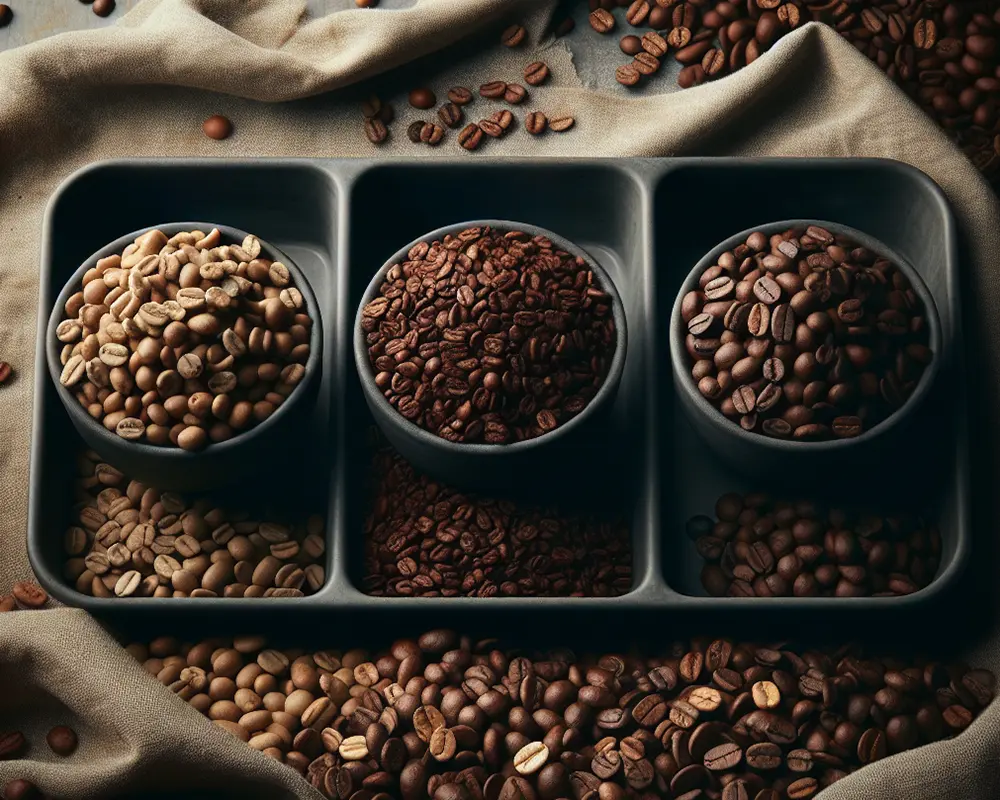
A great cup of coffee depends on the bean variety. Arabica, Robusta, and Liberica are the three most common original coffee bean varieties.
Roast Level
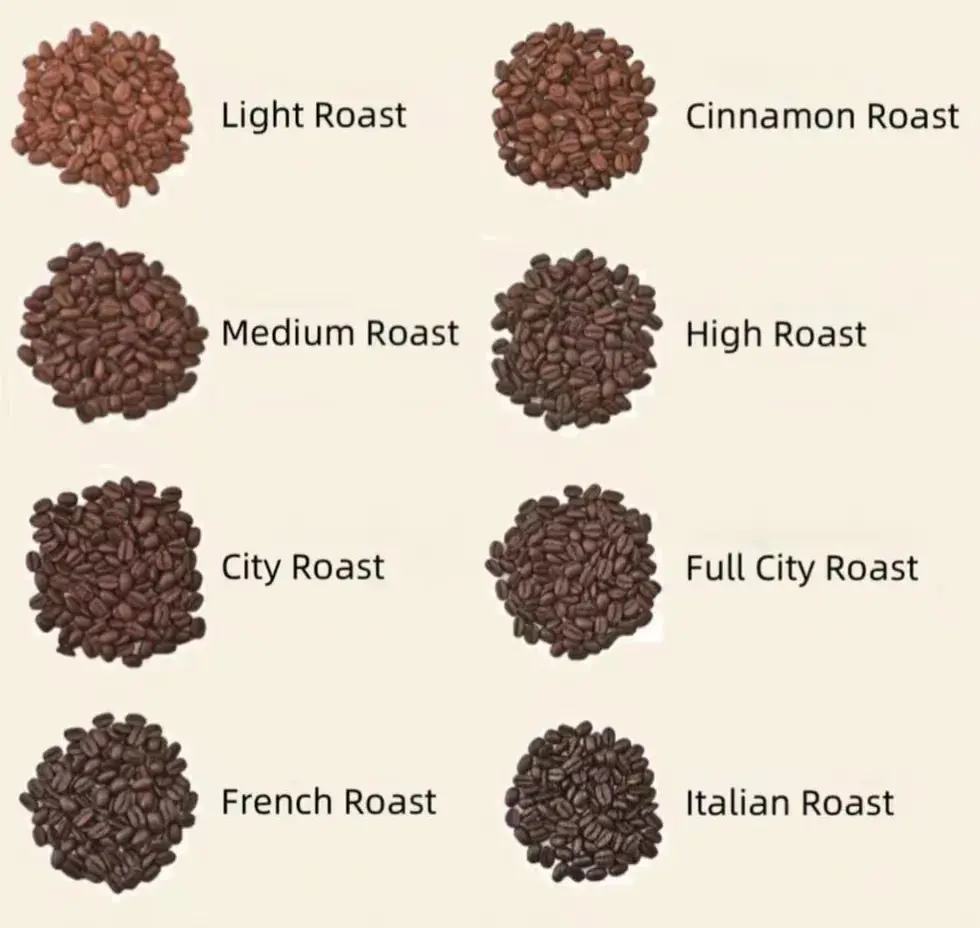
Bean roasting levels influence the flavor profile of coffee beans. They are generally categorized as Light, Medium, City, and Dark roasting levels.
A lighter roast is higher in acidity, while a darker roast is higher in bitterness and body. Roasting beans is not an absolute right or wrong process. It is all about optimizing the flavor and suitability of beans.
Coffee Flavor
Roasted coffee contains over 1,500 aromas, which, combined with acidity, bitterness, and sweetness, produce a complex and captivating coffee flavor. As a result of this, coffee consumers can better appreciate the flavors they prefer and purchase them accordingly. The flavor of coffee is actually a combination of taste and aroma.
Components of Coffee Bag Labels
Traceability System
Tracks the origin, region, grower, and harvest year of the coffee.
Recommended Brewing Method
Based on the origin, variety, and harvest season, the label recommends whether the coffee is best suited for espresso or drip brewing.
Weight
The standard net weight for a bag of coffee beans is 250 grams, but 300g, 500g, and even 1kg packages are also available. Some countries may use pounds as the unit of measurement (1 pound = 454g).
Resealable Bag
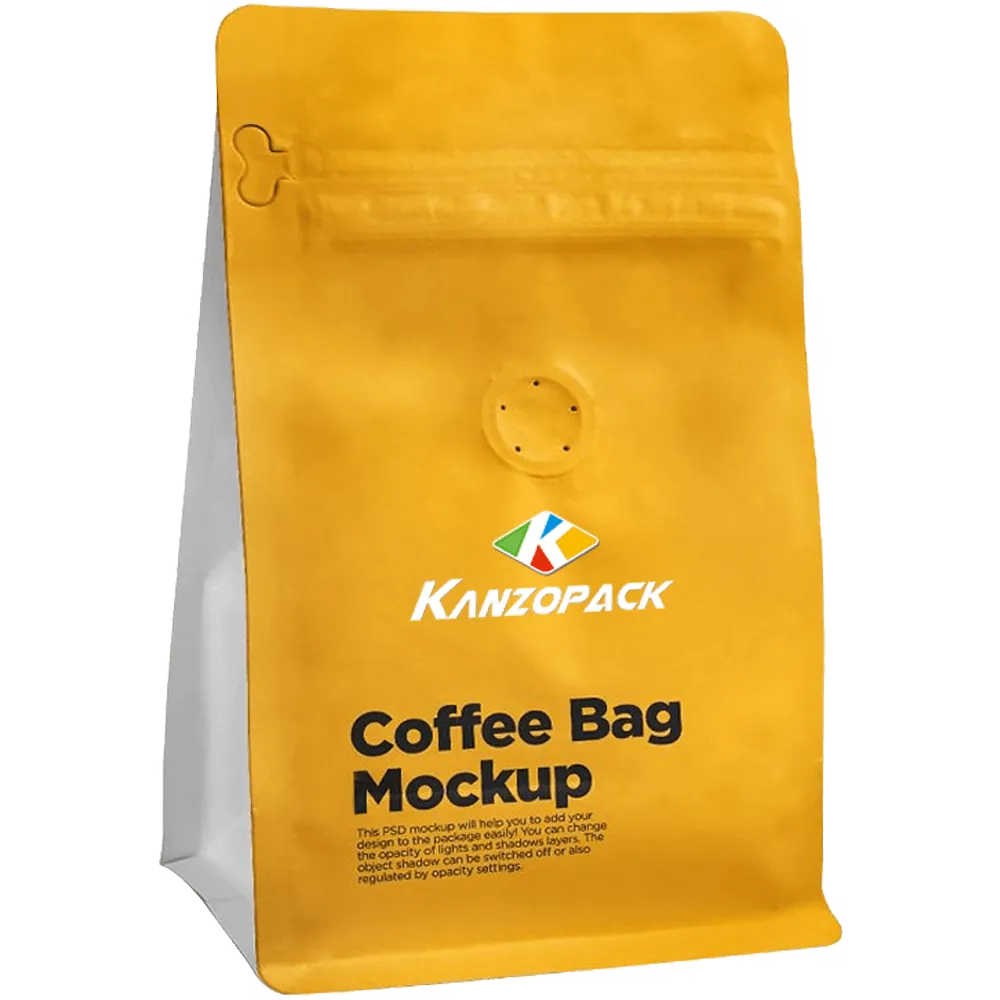
Some packaging bags are resealable, which helps preserve the coffee beans. . KanzoPack offers both stock and custom-printed coffee bags.
Brewing Guidelines
Based on the seller’s flavor testing, brewing guidelines such as temperature, coffee dose, and grind size are provided.
Roast Date
Coffee beans prioritize freshness. After five days from the roast date, the beans are suitable for manual brewing, while they’re best for espresso at least one week later (ideally 2-3 weeks).
Best Before Date
The best before date indicates the maximum storage time before the coffee is likely to spoil. However, for coffee, the concept of the “optimal tasting period” is more commonly used.
KanzoPack's Custom Coffee Bag

Coffee Bag
Flexible Packaging Bag Manufacturer Coffee Bag As a professional coffee bag packaging manufacturer, Kanzopack’s advanced production technology and extensive industry experience to provide high-quality, environmentally