
Vacuum Packaging Bags for Food
High Temperature Retort Vacuum Bags
Materials: NY/PE, NY/AL/RCPP, KNY/PE
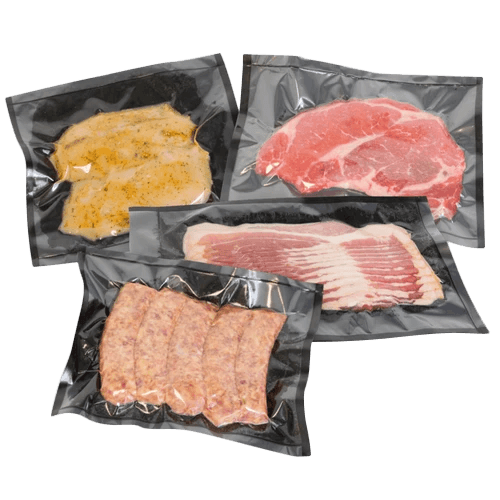
Applicable For: Various meat delicacies, high-temperature sterilized food products, curries, etc.
Product Characteristics:
- Moisture-proof, heat-resistant, light-blocking, aroma-retaining, durable
High temperature steaming bags (also known as retort pouches or RPs) are composite plastic film bags that can undergo heat treatment and have the advantages of both canned containers and boil-proof plastic bags. After more than a decade of use, they have proven to be an ideal packaging container. Retort pouches sold by Toyo Seikan in Japan containing aluminum foil are called RP-F (resistant to 135°C), and transparent multi-layer composite bags without aluminum foil are called RP-T, RR-N (resistant to 120°C). Such bags are called "flexible cans" or "soft cans" in Western countries.
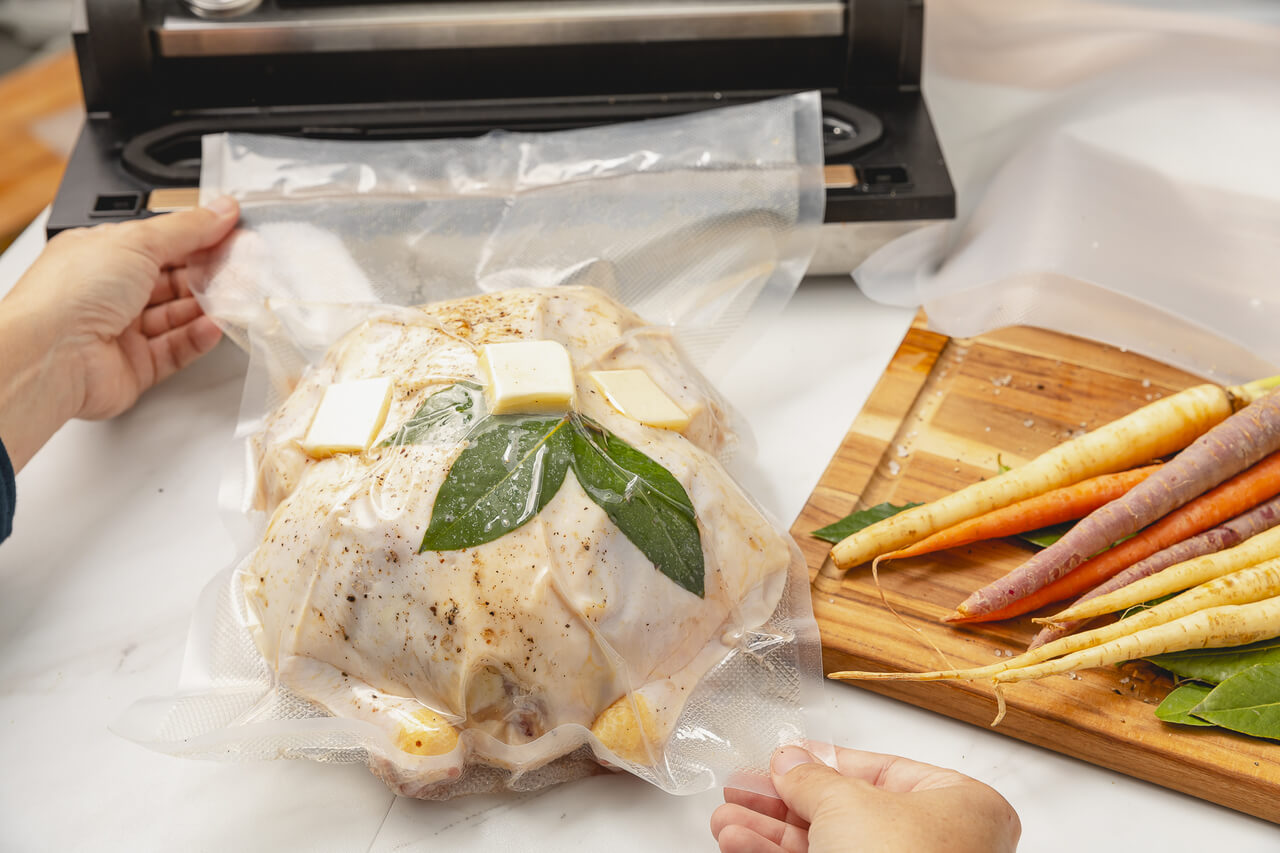
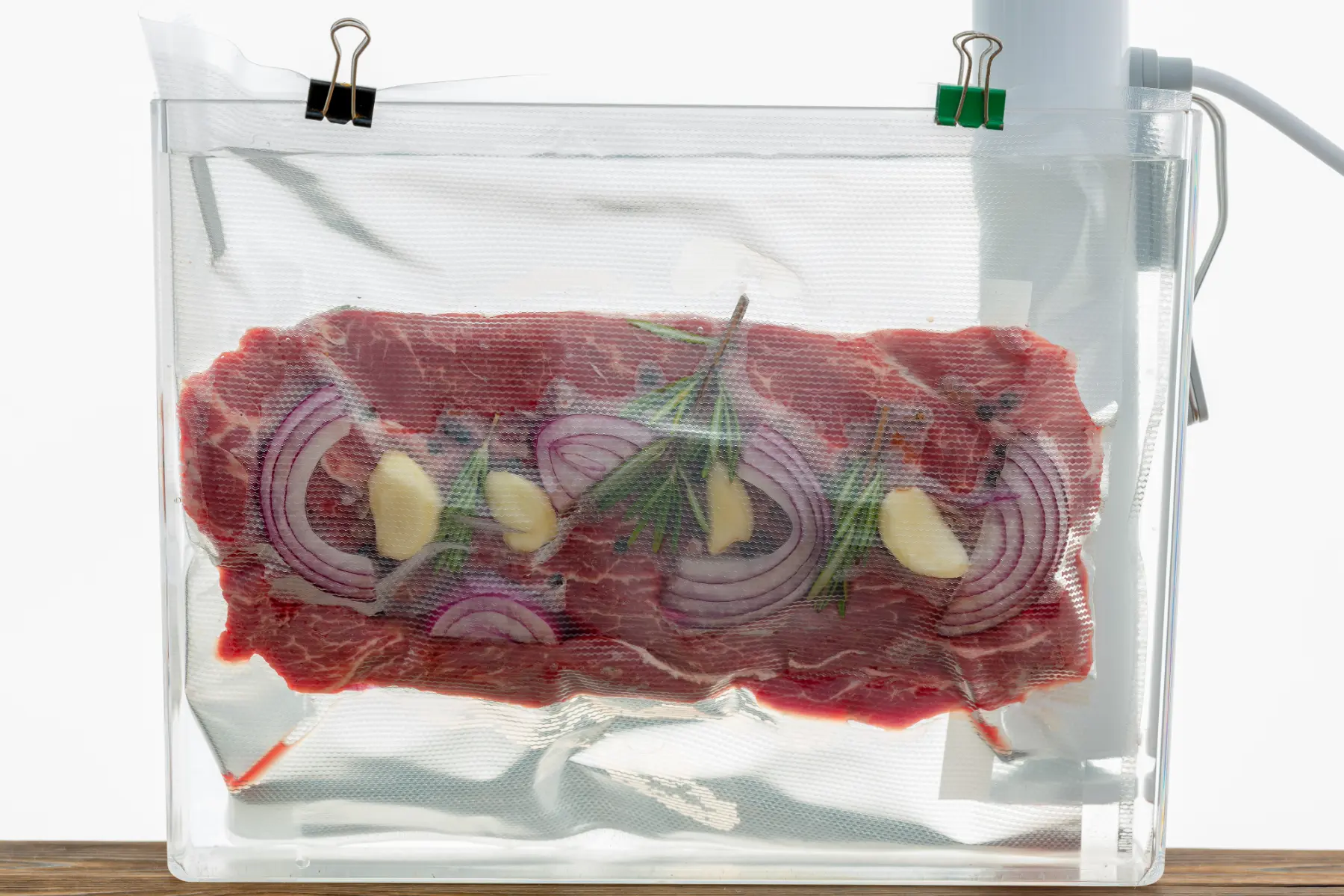
Water Bath Bags (Sous-vide Bag)
Materials: PET/PE BOPA/PE PET/AL/PE
Product Characteristics:
- Can withstand sterilization treatment by boiling below 106°C without delamination or leakage.
- Strong heat seal strength, excellent puncture resistance, and high impact strength.
- Good printability to enhance the image and level of packaged items.
- Good oil resistance.
Transparent Vacuum Bags
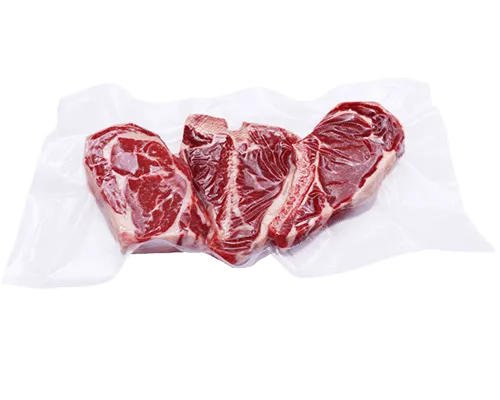
The most commonly used transparent vacuum bags currently include:
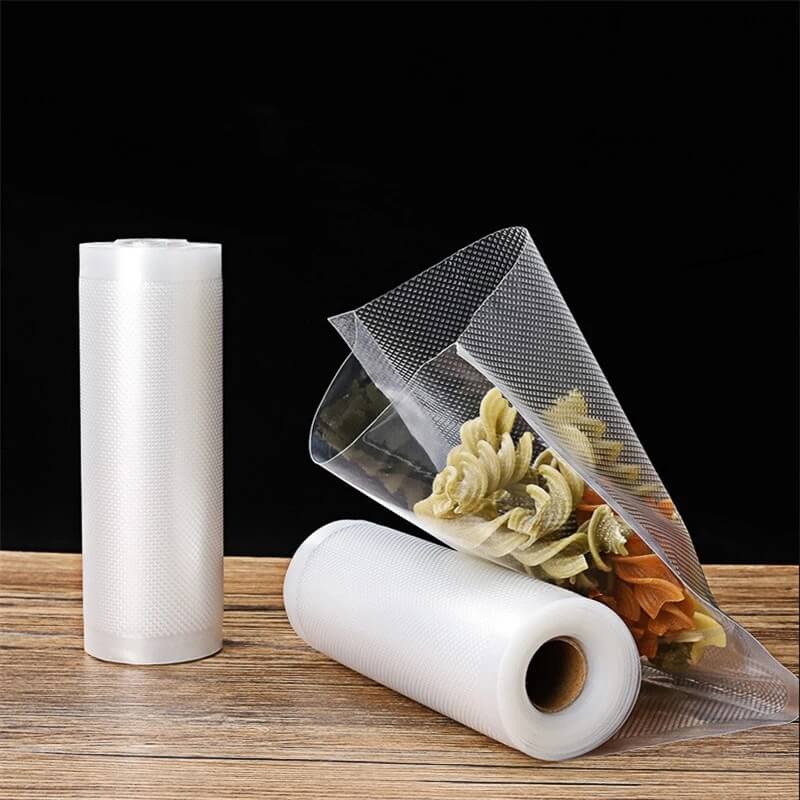
Nylon Coextruded Vacuum Bags
Materials: PA/PA/EVOH/PA/PE; PP/PA/EVOH/PA/PE; PE/PA/PE
Product Characteristics:
- Excellent puncture resistance, ideal vacuum effect, and good cost performance.
- Can withstand freezing at -20°C with high oxygen and moisture barrier properties.
- Clean, harmless, and environmentally friendly.
- Transparent and aesthetically pleasing.
- Wide applicability from individual components to entire equipment.
- Good printability to enhance the image of vacuum packaged items.
Precautions:
- Avoid direct sunlight and contact with fire sources or corrosive substances.
- Adjust sealing temperature on the vacuum packaging machine between 180-200°C during vacuuming. Pay attention to appropriate temperature regulation and reduce pressure to avoid leakage caused by over-vacuuming.
Nylon Composite Vacuum Bags
Materials: PA/PE; PA/RCPP; PET/PE; PET/RCPP
Nylon composite vacuum bags are the most commonly used vacuum bags in the market because they were the first to enter the market. When vacuum bags were first used, nylon composite bags were used. Nylon composite is coated layer by layer through a coating machine, requiring an adhesive in between layers. However, this also means the biggest drawback of nylon composite bags is higher rupture rates during dry weather, especially in winter.
PE Vacuum Bags
As PE film, with the widest application range of all plastic films, has inherent advantages in extensibility and tenacity not as good as nylon and is less suitable for vacuuming. However, compared to other materials, PE bags are more affordable. For customers with lower vacuuming requirements, PE bags can be used but rupture and leakage rates will be higher.
Vacuum Packaging Bags for Electronics
Anti-static Vacuum Sealing Bags
Materials: NY/CPE, PET/NY/CPE, PET/CPP, PET/AL/NY/PE
Applicable For: Precision electronic components, semi-finished products, flammable chemicals, explosives, test samples, instruments, sensing tests
Product Characteristics:
- Low oxygen and moisture permeability, good moisture resistance, electrostatic dissipation, high tensile strength and puncture resistance
- Effective vacuuming with high transparency
- Easy heat sealing with good seal integrity.