


For example, in the case of aluminum foil vacuum sealer bags, the material cost of aluminum foil is not cheap. If the vacuum sealing bag is too thick, it may lose flexibility and become prone to damage when folded during storage. Additionally, in low temperatures, excessively thick vacuum sealer bags can become brittle and easily rupture.
What is Vacuum Sealer Bag?
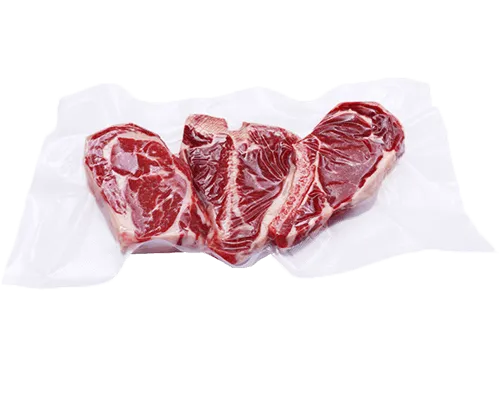
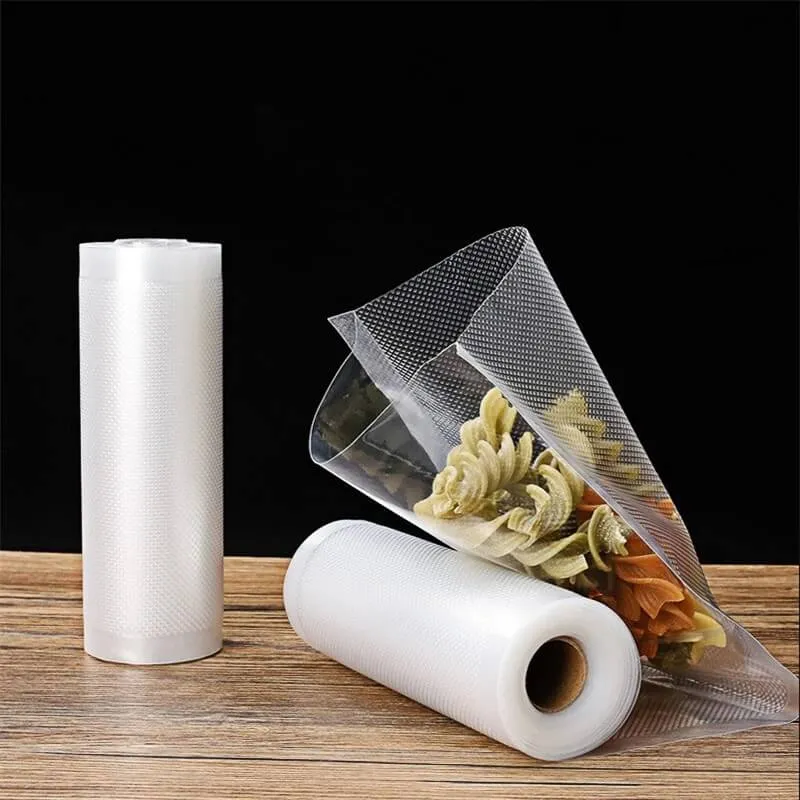
custom vacuum seal bags are storage bags that work with a vacuum sealer machine. Vacuum sealing is the process of removing air from the bag before it is closed. When done correctly, this method can extend the shelf life of the contents by slowing down oxidation and inhibiting the growth of mold, bacteria, and yeast. Therefore, vacuum sealing is often used to preserve food, although it can also be used to protect important documents or materials from air and moisture.
Most vacuum sealer bags are made of durable, flexible plastic material, with multiple layers of different polymers or plastic types, and one side usually has a textured pattern. This texture is essential for the vacuum sealer machine to successfully extract air from the bag. When the opening of the bag is placed into the vacuum sealer machine, the machine will suck out the air, then use heat to seal the opening, forming a tight barrier.
These bags are used in both home and commercial settings, to improve the food storage of meat, vegetables, cheese, and more, making them a more lasting, fresher choice, and reducing food waste. Vacuum sealer bags can be obtained in pre-cut sizes or as rolls, which can be cut and sealed at one end to create custom-sized bags.
How to Selecting Vacuum Sealer Bag Thickness
The selection of vacuum sealer bag thickness should also consider the usage environment and purpose that we just mentioned in FAQ. Different occasions and requirements may demand different thicknesses of vacuum sealer bags.
For instance, vacuum sealer bags used in high or low temperatures should have thicknesses that can adapt to temperature changes to ensure performance and effectiveness. Additionally, vacuum sealer bags used on vacuum sealer packaging machines should have thicknesses that match the machine for smooth operation and efficiency.
Different materials require precise exposure to heat during the sealing process to ensure effective fusion. Sealing temperatures typically range between 250°F and 450°F, depending on the bag's material.
Differernt Temperatures for Sealing Vacuum Bags:
• Low-density Polyethylene (LDPE) – Optimal sealing range: 270-370°F
• Polyvinyl Chloride (PVC) – Recommended sealing range: 300-350°F
• Polypropylene – Requires a higher sealing temperature of 380-450°F
The right sealing temperature is pivotal for establishing a strong, leak-proof seal on bags. If the heat is insufficient, proper sealing may not occur; conversely, excessive heat can lead to melting or burning through the bag material.
Using a thermally-controlled sealing device is essential, and testing temperatures with sample bags is recommended to determine the optimal heat setting. Achieving a precise sealing temperature is crucial for securing items within the bag and extending shelf life – a valuable tip for those involved in packaging.

Advice on Selecting the Right Vacuum Sealer Bag
Here is some advice from KanzoPack for you when you are confused about selecting the right vacuum sealer bag:
Different products may require different thicknesses of vacuum sealer bags depending on their shape, size, and durability.
For example, products that have sharp edges or corners, such as bones, nuts, or metal parts, may need thicker bags to prevent punctures or tears. On the other hand, products that are soft, flexible, or delicate, such as bread, cheese, or flowers, may need thinner bags to preserve their shape and texture, and we recommend 3-4 mil.
Recommended Thickness
You can refer to the table below for some general guidelines on the recommended thickness of vacuum sealer bags for various products:(1 Mil is 1/1000th of an inch)
| Product | Thickness (mil) |
|---|---|
| Nuts | 4 - 5 |
| Metal Parts | 4 - 5 |
| Bread | 3 - 4 |
| Cheese | 3 - 4 |
| Flowers | 3 - 4 |
| Meat | 3 - 4 |
| Fruits | 3 - 4 |
| Vegetables | 3 - 4 |
| Cookies | 3 - 4 |
| Coffee Bean | 3 - 4 |
| Tea | 3 - 4 |
| Candy | 3 - 4 |
| Medicine | 3 - 4 |
| Pet Food | 4 - 5 |